PERIOD 3 EXHIBIT / 1763–JUNE 1776
The Road
to Revolution
Ten objects. Thirteen years.
A break with Britain that was never inevitable.
Start with an object. Investigate the evidence. Follow the choices that turned an imperial crisis into a movement for independence.
Begin with Stop 1 →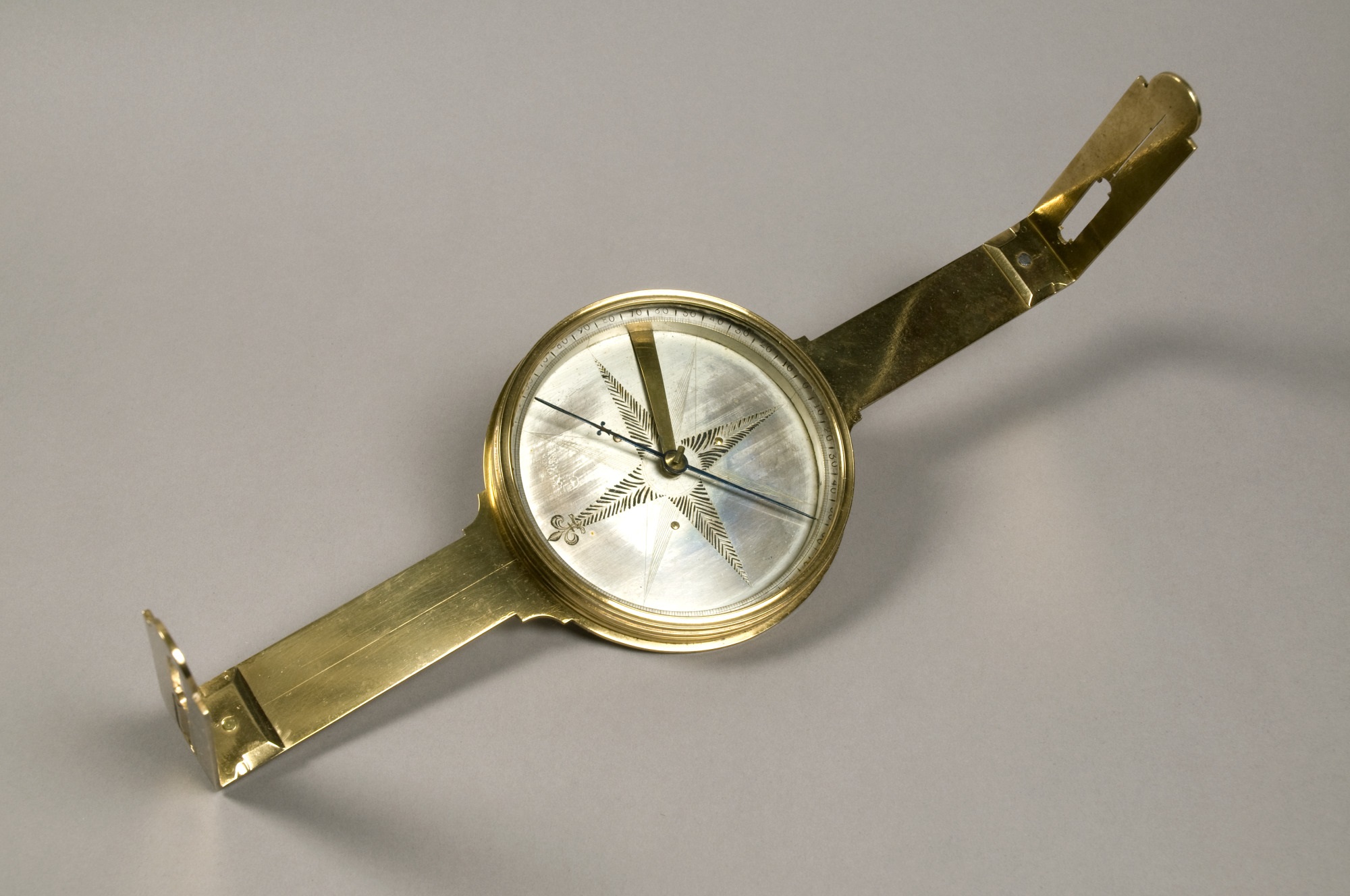
A conflict over who could claim it.
YOUR QUESTION
How did resistance become revolution?
At each stop, collect a main idea, a specific piece of evidence, and a connection to the growing crisis. Keep those notes: later, you will use them to defend a turning point.
Explore the ten stops ↓BEFORE THE ROAD · 1763
Victorious, British, and Confident
In 1763, many British colonists expected victory in the French and Indian War to begin an era of security, prosperity, and liberty within the British Empire. They did not yet imagine that independence was the inevitable next step. Many celebrated Britain's power, described Britain as their mother country, and understood themselves as Britons as well as colonists.
That confidence was neither universal nor equally shared. Indigenous nations faced an expanding empire and colonial demands for western land; enslaved people remained excluded from the liberties colonists celebrated; and colonists did not all interpret the empire in the same way. Still, the language of Benjamin Franklin and the Reverend Thomas Barnard captures a powerful expectation among many British colonists at the moment this road begins.
“No one can rejoice more sincerely than I do on the Reduction [defeat] of Canada; and this, not merely as I am a Colonist, but as I am a Briton. I have long been of Opinion that the Foundations of the future Grandeur and Stability of the British Empire lie in America, and tho', like other Foundations, they are low and little seen, they are nevertheless broad and Strong enough to support the greatest Political Structure Human Wisdom ever yet erected.”
Consider: What future did Franklin imagine for the colonies inside the British Empire?
Franklin wrote during the sequence of British victories that culminated in the 1763 settlement. Read the full letter ↗
“Now commences the Era of our Quiet Enjoyment of those Liberties which our Fathers purchased with the Toil of their whole Lives, their Treasure, their Blood. Safe from the Enemy of the Wilderness, safe from the griping hand of arbitrary Sway and cruel Superstition. Here shall be the late founded Seat of Peace and Freedom. Here shall our indulgent Mother, who has most generously rescued and protected us, be served and honored by growing Numbers with all Duty, Love and Gratitude, till Time shall be no more.”
Consider: What relationship between Britain and the colonies did Barnard expect the peace to preserve?
THE EXHIBIT'S CENTRAL PUZZLE
What happened over the next thirteen years?
How and why did many British colonists move from celebrating imperial victory in 1763 to authorizing independence in 1776?
FOLLOW THE EVIDENCE
The road, stop by stop
Follow the stops in order, or return to a piece of evidence.
-
01
STOP 01 / 1763
A line across the mountains
Surveyor’s compass
Who gets to decide where settlement stops?
Enter stop → Mount Vernon collection · 1750–1800 -
02
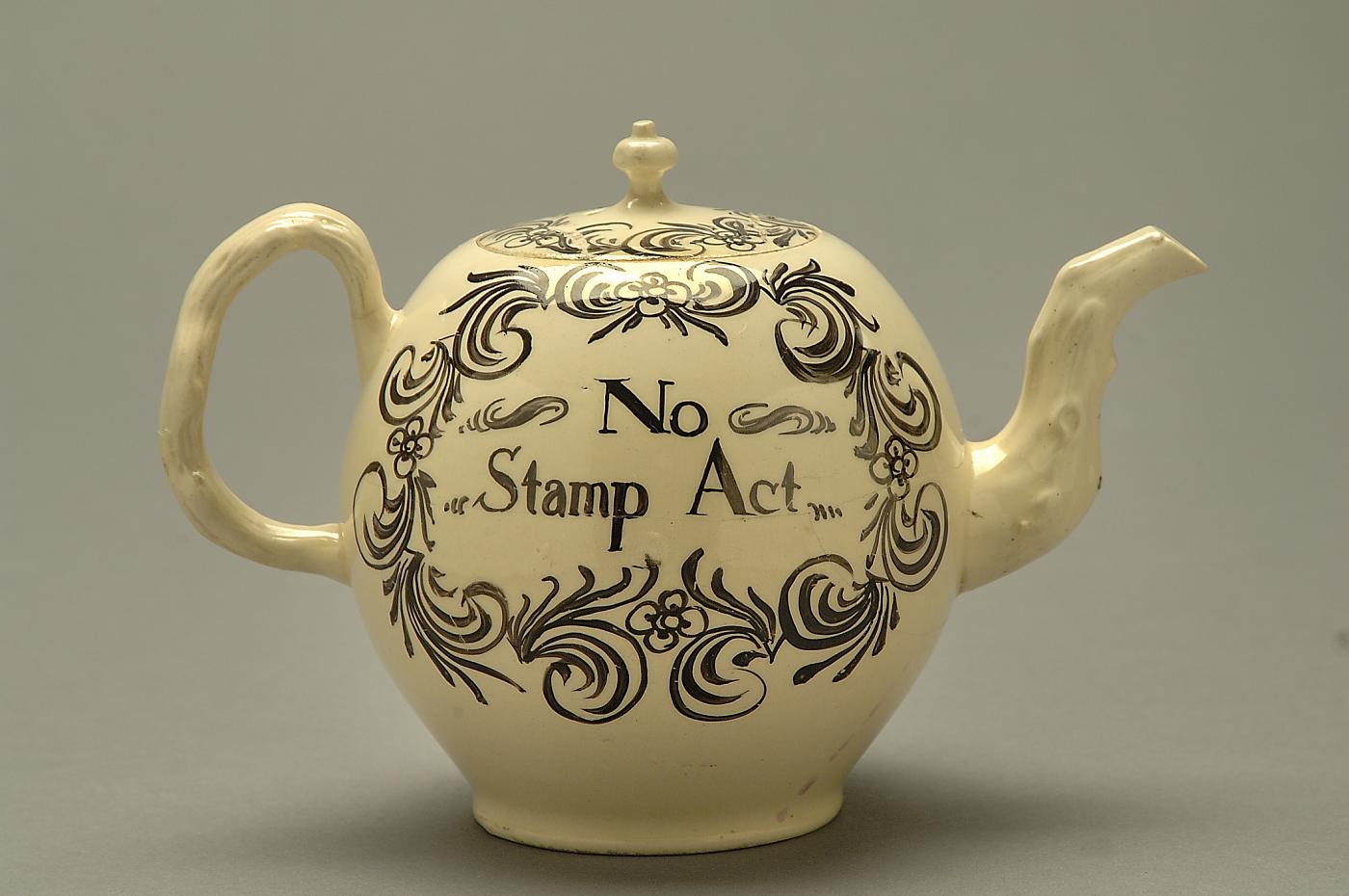
STOP 02 / 1765–1766
Resistance at the counter
“No Stamp Act” teapot
How can an everyday purchase become a political act?
Enter stop → Smithsonian collection · 1766–1770 -
03
STOP 03 / 1767–1768
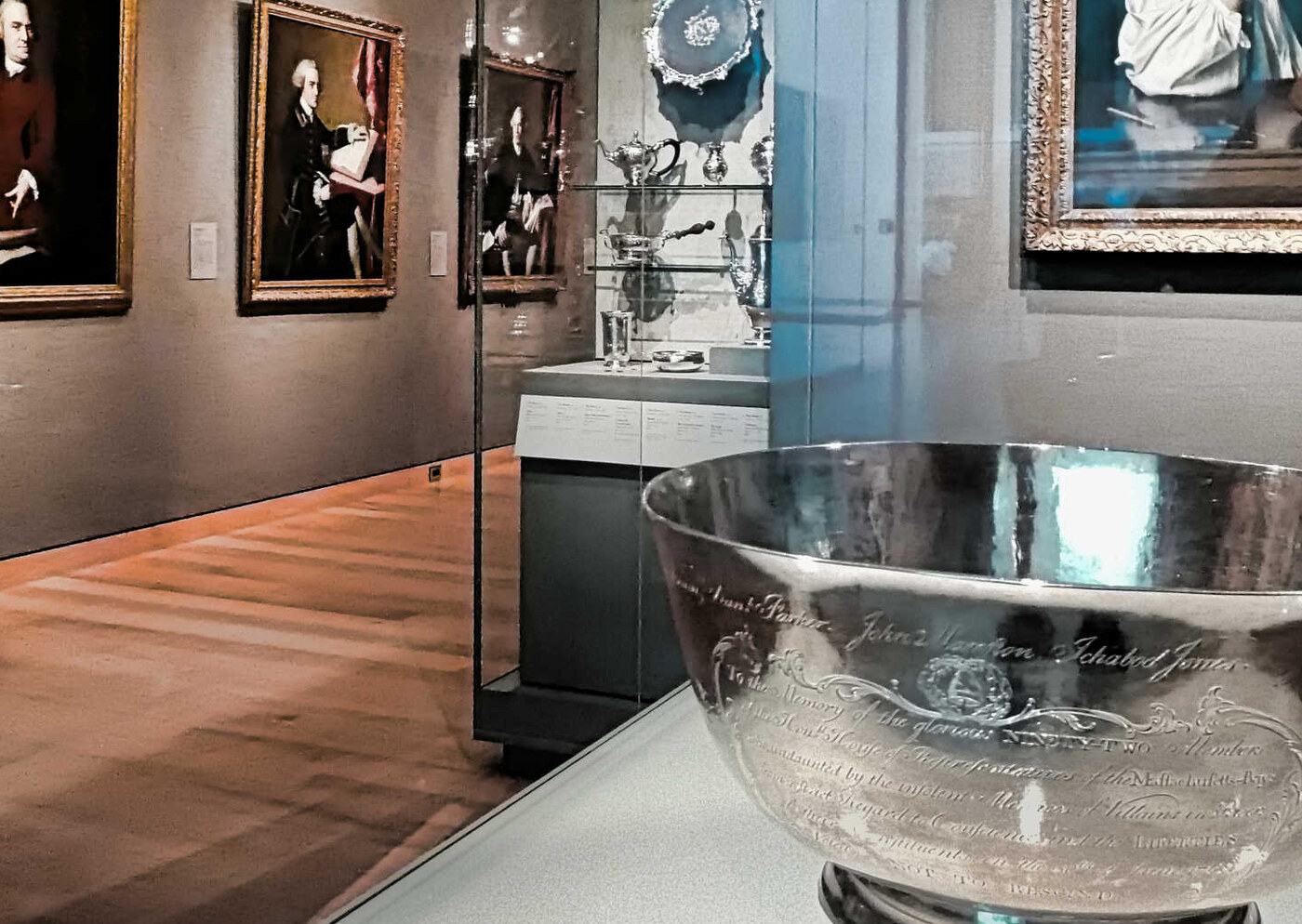
An argument becomes resistance
Sons of Liberty bowl
How did Dickinson’s constitutional argument become coordinated colonial action?
Enter stop → Museum of Fine Arts, Boston · 1768 -
04
STOP 04 / 1770
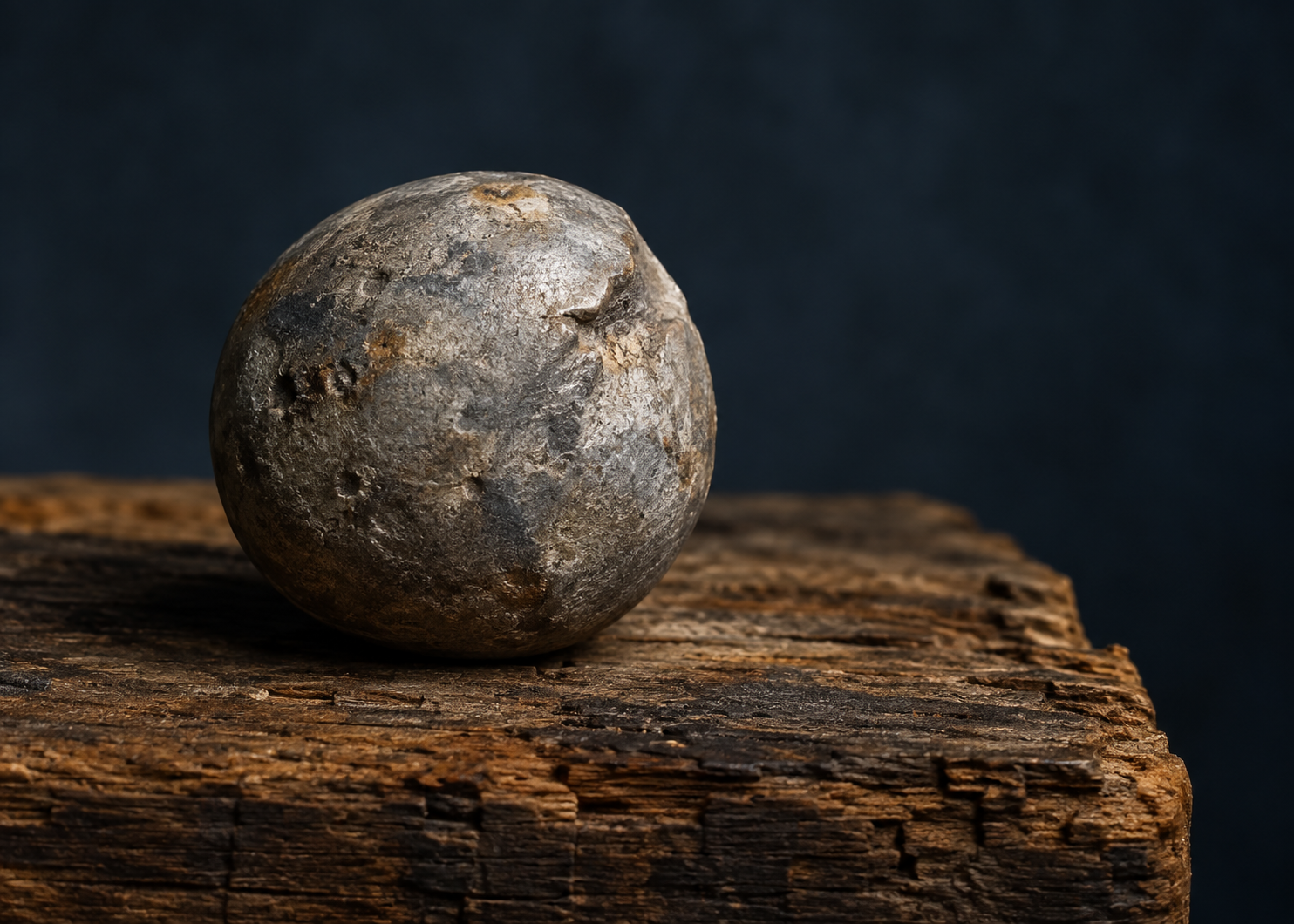
When an image becomes evidence
The ball attributed to Edward Payne’s wound
What can a physical object prove that an engraving cannot—and what can neither answer alone?
Enter stop → Object illustration · proposed hook -
05
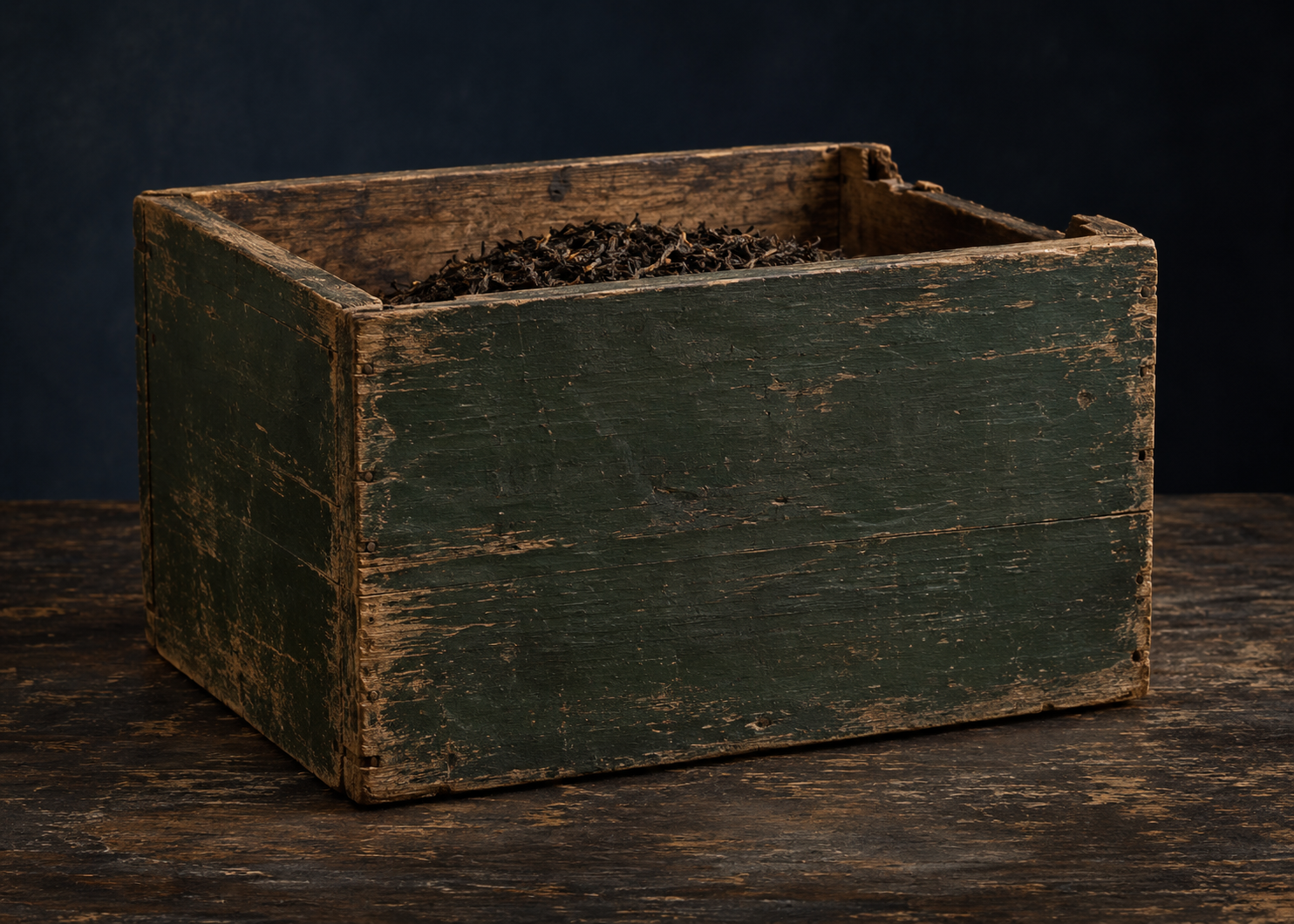
STOP 05 / 1773
One cargo. Four local choices.
The Robinson Half Chest
Why did every port refuse the tea—but only Boston destroy the cargo and face punishment?
Enter stop → Interpretive enlargement · not an artifact photograph -
06
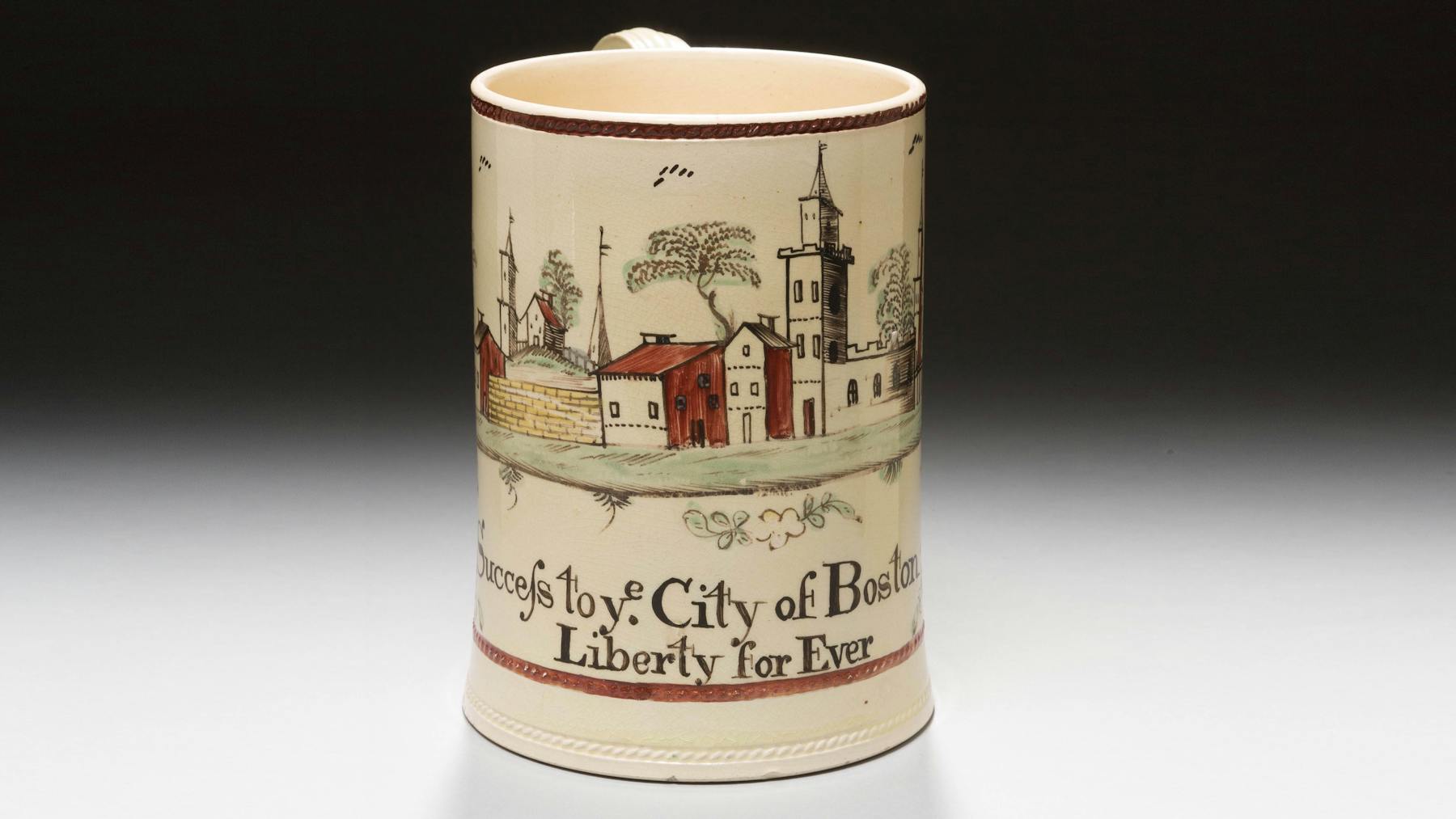
STOP 06 / 1774
Boston’s punishment travels
“Success to Boston” mug
How did punishment aimed at one town build cooperation—and new political power—far beyond Boston?
Enter stop → AI-generated reconstruction · OpenAI (2026) -
07
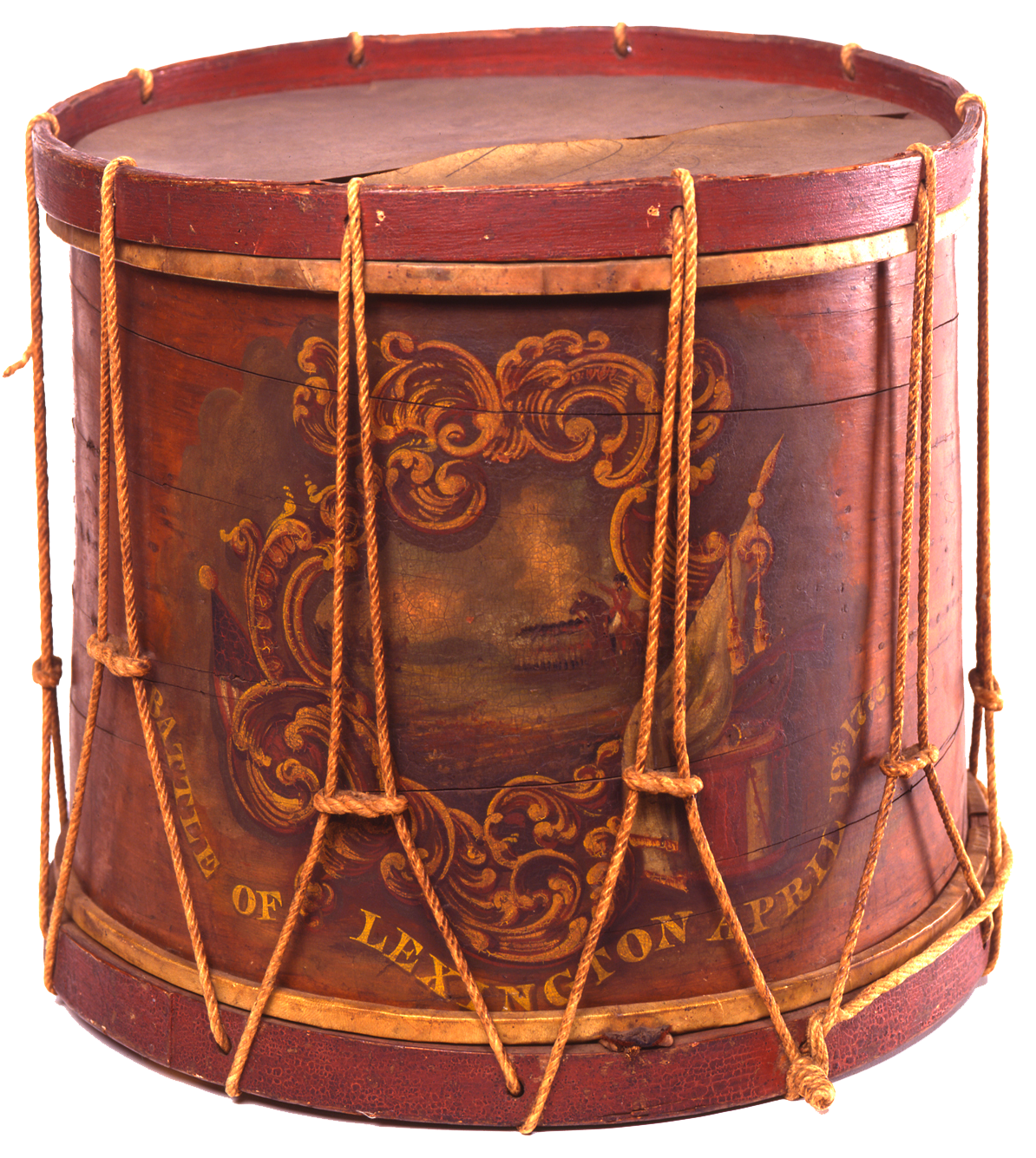
STOP 07 / April 1775
The alarm becomes a battle
William Diamond’s drum
How did a disputed first shot turn an imperial crisis into a continental war?
Enter stop → AI-generated reconstruction · OpenAI (2026) -
08
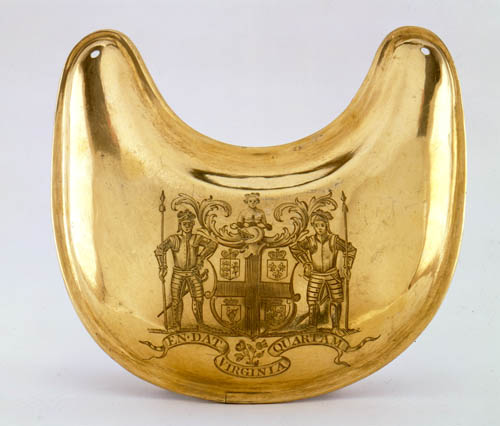
STOP 08 / July 1775
An army and an appeal
Washington’s gorget
Why seek reconciliation while preparing to fight?
Enter stop → Original object · Museum photograph · permission pending -
09
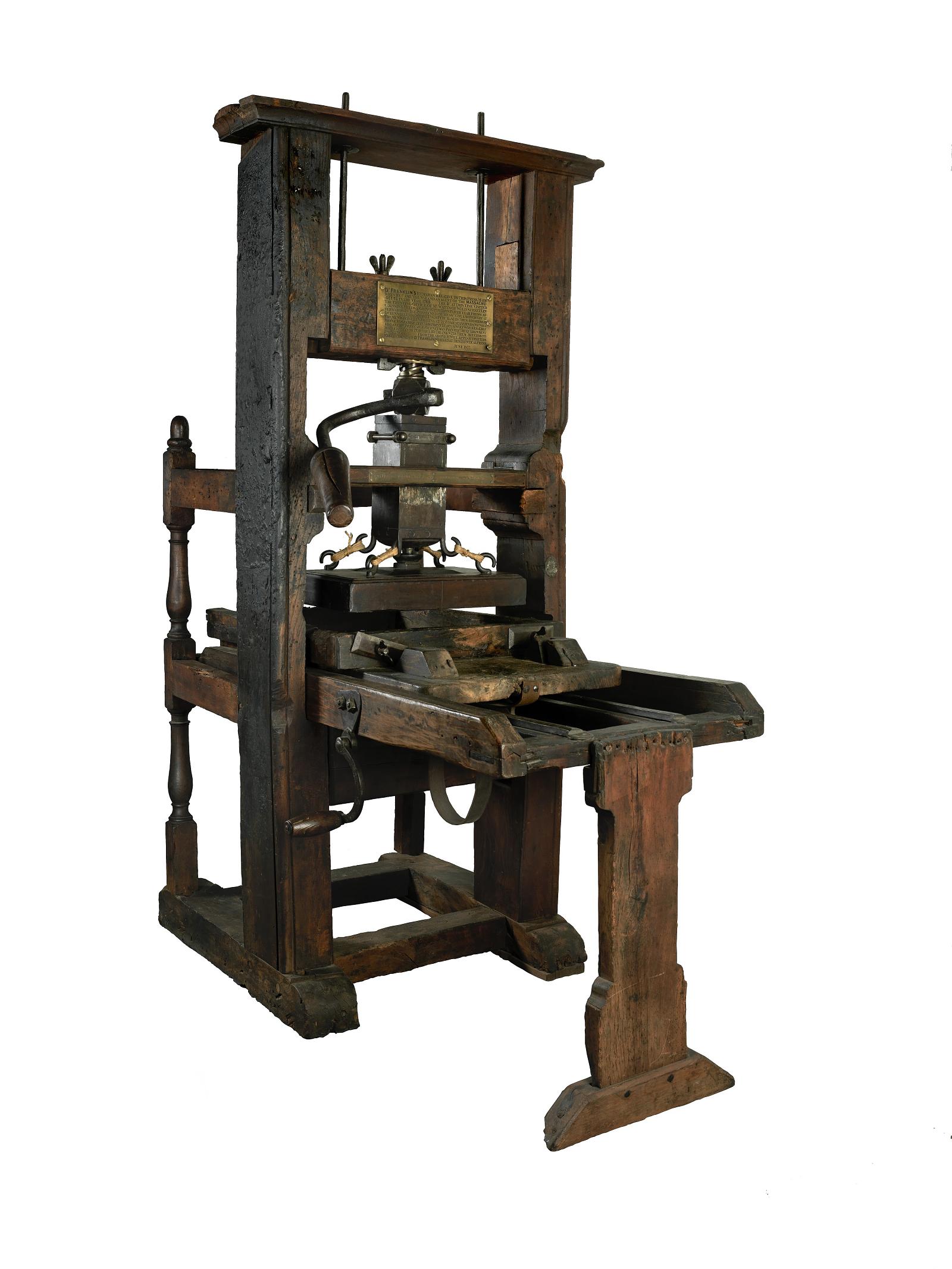
STOP 09 / January 1776
Independence becomes sayable
Franklin’s common press
How can one slow machine accelerate a revolution?
Enter stop → Original object · Public-domain museum photograph -
10
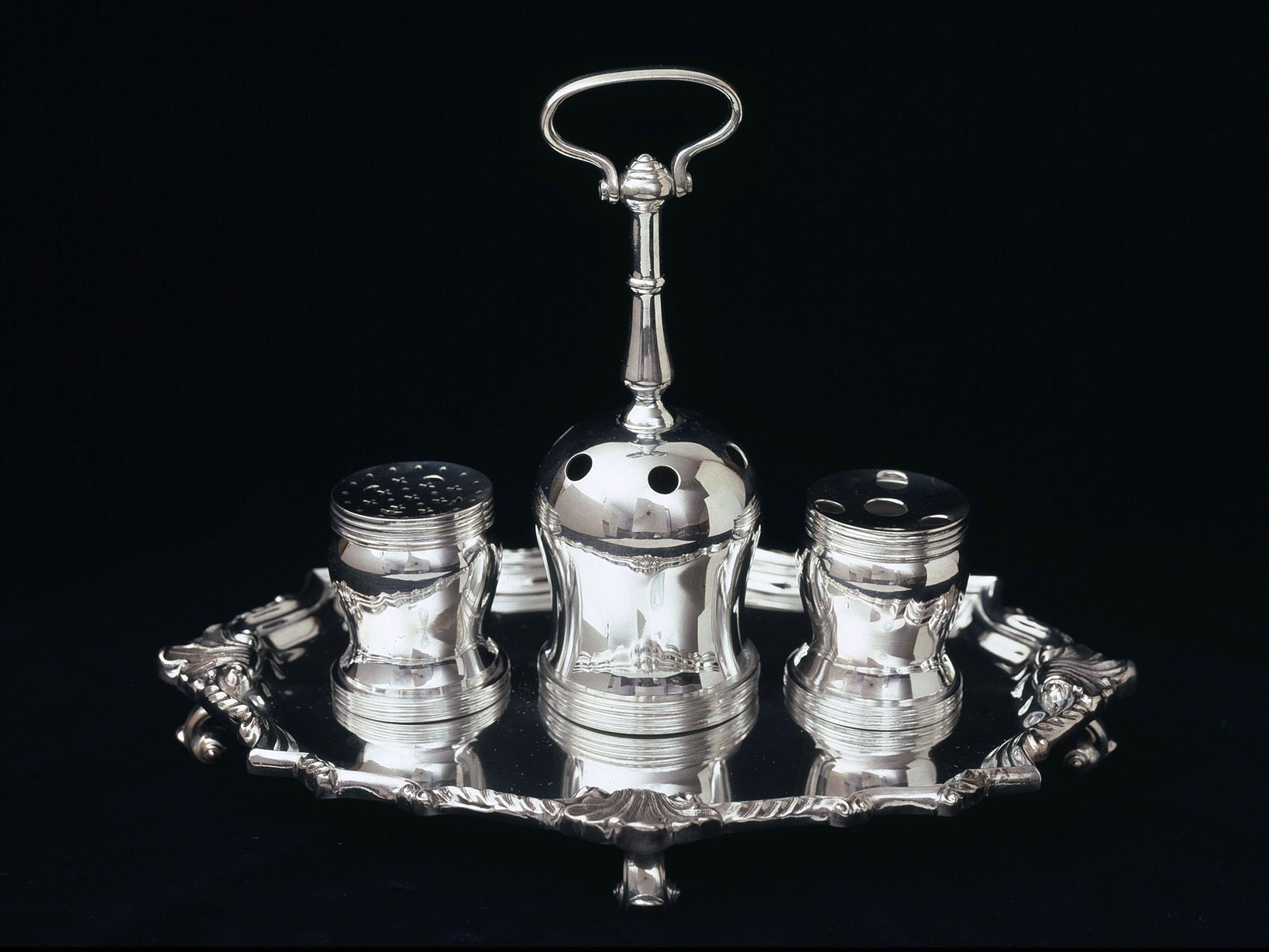
STOP 10 / Spring–June 1776
Thirteen changes of course
Syng inkstand
Who gave Congress the authority to choose independence?
Enter stop → Original object · Public-domain NPS photograph